Wednesday, 10 June 2026

7 Dubai Attractions Every Traveller Should Know About

Discover seven of Dubai’s most popular attractions, along with practical travel tips to help you enjoy a smoother and more memorable visit.
Published: Saturday, March 14, 2026
7 Dubai Attractions Every Traveller Should Know About
Top Stories

Dubai is one of the most popular travel destinations in the United Arab Emirates, known for its modern skyline, luxury lifestyle, artificial islands, beachfront attractions and world-famous landmarks. For first-time visitors, planning ahead can make the trip smoother and more enjoyable. Here is a travel-friendly guide to seven major attractions in Dubai, along with useful tips for travellers.

Burj Al Arab

Burj Al Arab is one of Dubai’s most recognisable landmarks and is often known as the world’s only seven-star luxury hotel. The 321-metre structure stands on an artificial island near Jumeirah Beach and is designed in the shape of a sail.
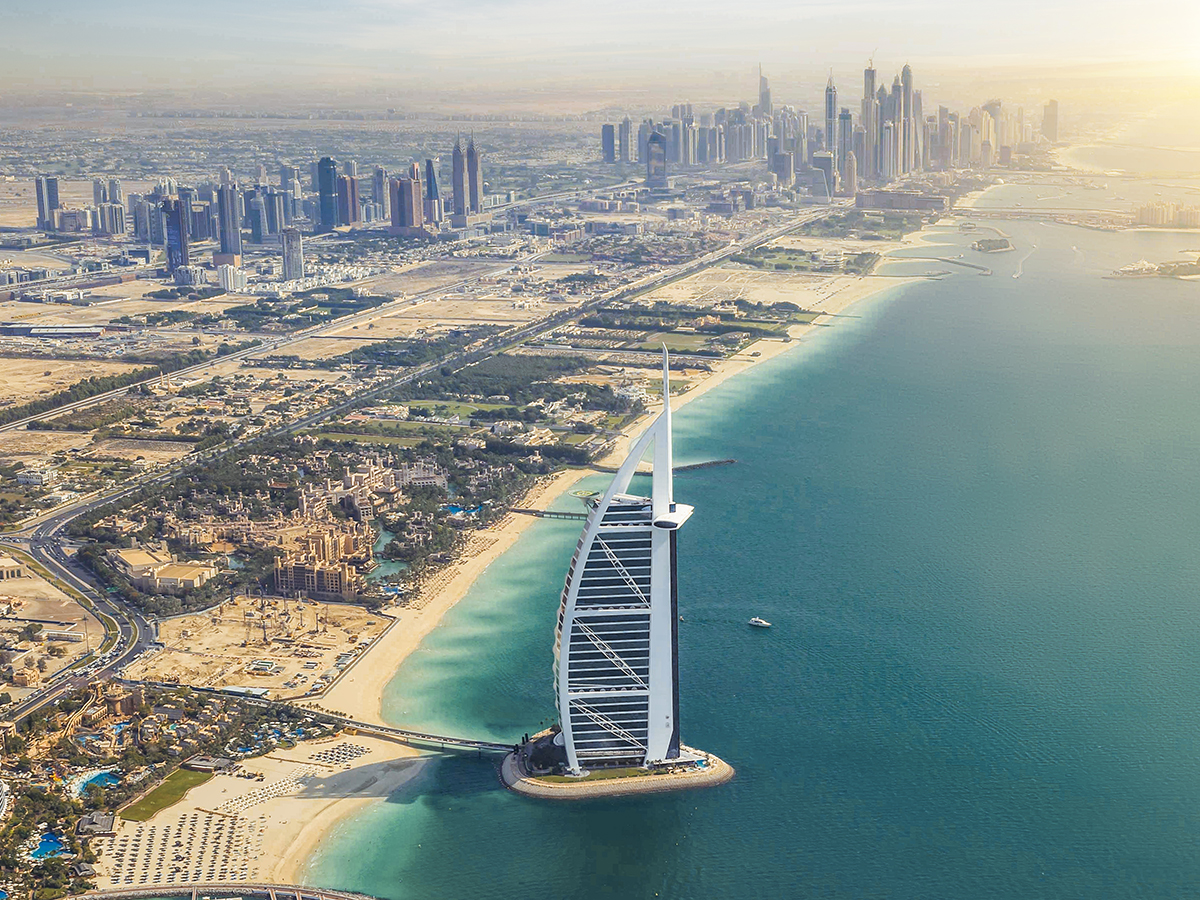
The hotel is famous for its luxury services and elegant interior. Rooms include 24-carat gold iPads that guests can use to access hotel and restaurant information. A night at the hotel costs around AED 4,500.

Travel tip: Even if you are not staying there, the area around Jumeirah Beach offers good photo spots. It is best to visit in the late afternoon or around sunset for clearer views and better lighting.

Burj Khalifa

Burj Khalifa is the tallest building in the world and one of Dubai’s biggest attractions. Also known as Dubai Tower, it has 160 floors and rises to 2,717 feet. The building includes a hotel, mosque, apartments, offices, entertainment facilities and the world’s highest observation deck.
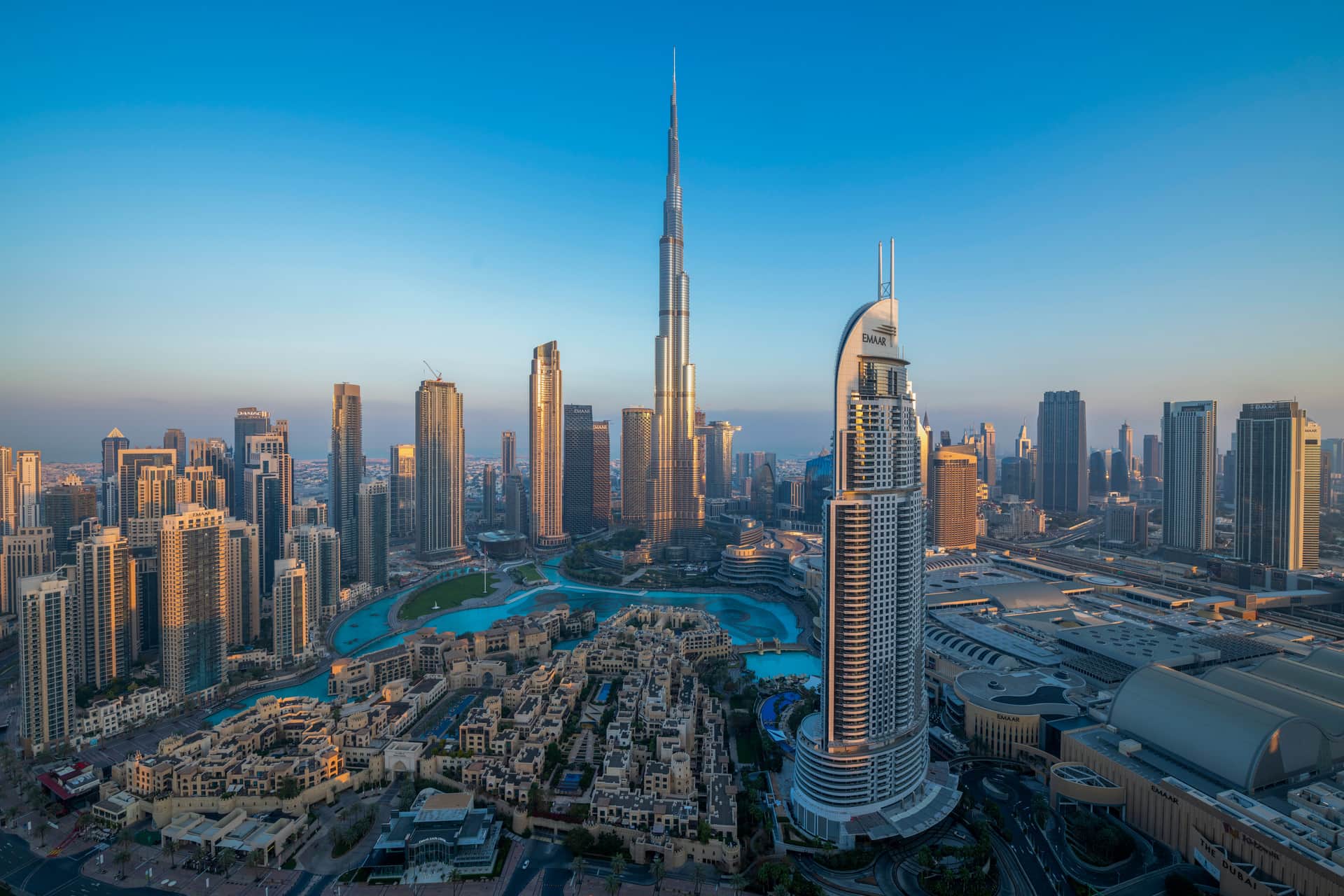
It also has 54 elevators that can travel at speeds of up to 40 miles per hour. One of the main highlights is the observation deck above the 124th floor, where visitors can enjoy panoramic views across the city and beyond.

Travel tip: Try to go early in the morning or around sunrise to avoid heavy crowds and enjoy better visibility. Booking tickets in advance can also save time and help you avoid long queues.

The Fountain

The Fountain is one of Dubai’s most popular evening attractions. This large choreographed water show lasts about three to six minutes and performs to around 6,500 musical selections.

During the evening, the fountain is lit by 6,600 lights and 25 colour projectors, creating a striking visual display. The bright lighting can reportedly be seen from more than 20 miles away. Shows usually take place every 15 to 20 minutes.

Travel tip: This is a good stop for evening visitors. Arrive a little earlier to get a better viewing spot, especially during weekends or holiday periods. Comfortable walking shoes are recommended because the surrounding area can involve a lot of walking.

Atlantis The Palm

Atlantis The Palm is a luxury resort located on Palm Jumeirah, one of Dubai’s best-known artificial islands. The resort is popular for its grand design, upscale atmosphere and leisure-focused environment.

It is a favourite among holidaymakers and is also known to attract celebrities. Many visitors go there for a luxury stay, dining experience or simply to enjoy the surroundings.

Travel tip: This area is ideal for travellers looking for a resort-style experience. It is also a good place for families and couples. Carry a camera or keep your phone charged, as the location offers many scenic photo opportunities.

Palm Island

Palm Island is among Dubai’s most famous man-made developments. Built to support tourism growth, the three islands were designed in the shape of a palm tree and created using sand in the sea.
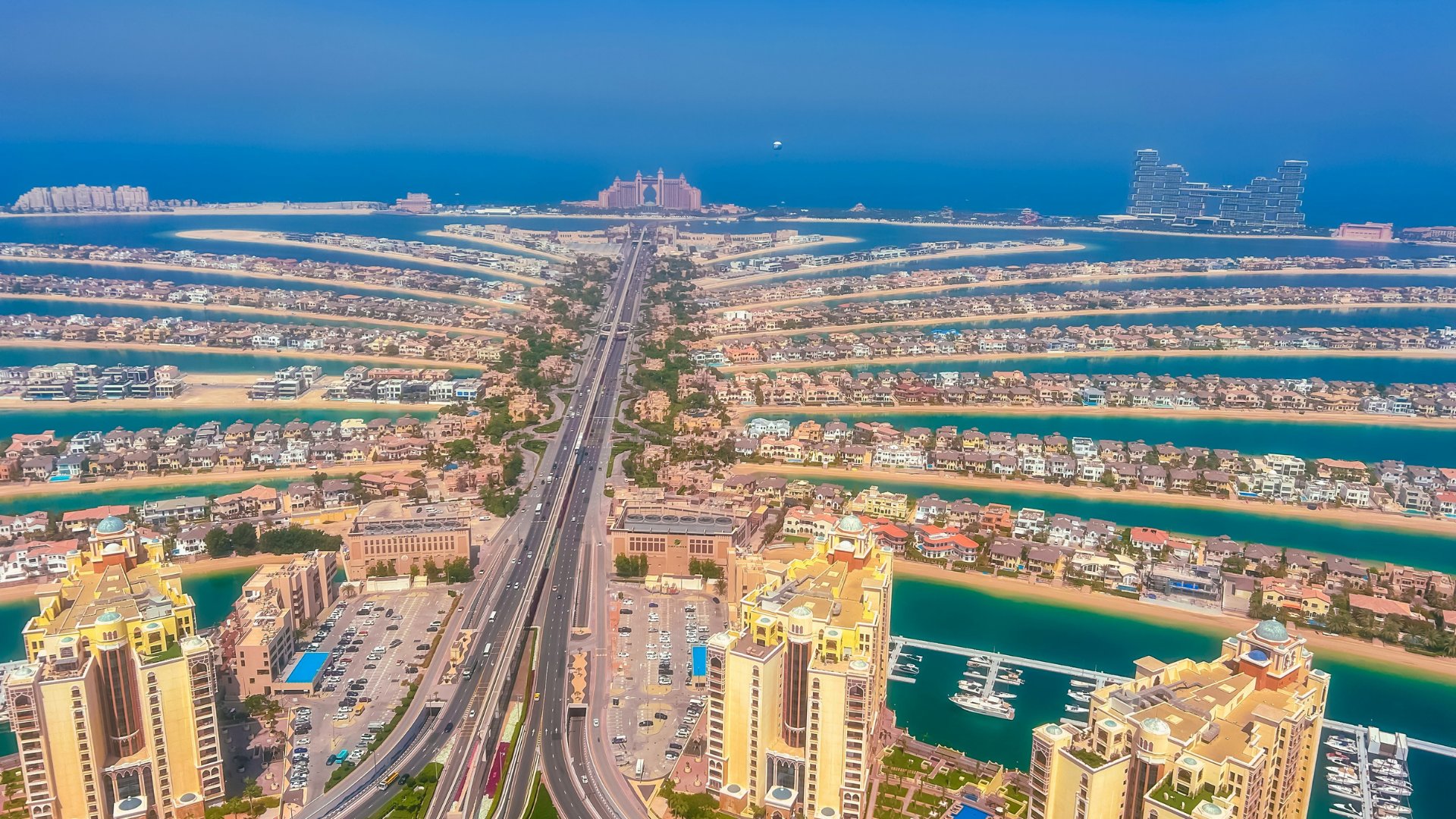
The islands feature luxury hotels, resorts, private beaches, apartments, swimming pools, theme parks, restaurants, shopping centres, hospitals and sports facilities. It is considered one of Dubai’s most ambitious tourism projects.

Travel tip: The area is spread out, so transport planning is important. Travellers may find taxis or ride-hailing apps more convenient when visiting multiple places in one day. It is also wise to plan your stops in advance to save time.

Ski Dubai

Ski Dubai offers a surprising winter experience in the middle of the desert. Covering 22,500 square metres, it is an indoor ski lounge that includes the world’s first 400-metre-long black run.

The attraction gives visitors a chance to enjoy snow activities and see Gentoo and King penguins up close. Guests can also swim with the penguins or watch them through a large glass wall. The temperature inside drops to minus 6 degrees Fahrenheit, creating a true winter atmosphere.

Travel tip: Bring warm socks and be prepared for the cold, even though special clothing is required inside. This is a good option for travellers visiting Dubai during very hot weather, especially families with children.

Dubai Marina

Dubai Marina is a stylish waterfront district known for its high-rise buildings, luxury towers and lively atmosphere. It is one of the city’s most attractive areas for sightseeing, dining and leisure.

Visitors can explore the marina by water taxi or join a cruise. Sunset views and dinner experiences are among the main reasons tourists choose this part of the city.

Travel tip: Evening is one of the best times to visit Dubai Marina. The weather is usually more pleasant, and the skyline looks especially impressive after dark. It is also a good place to relax after a full day of sightseeing.

Extra Tips for Travellers Visiting Dubai

Dubai can be easier to explore if travellers keep a few practical things in mind. The city is modern and tourist-friendly, but planning ahead still helps.

Use light and comfortable clothing during the day, but carry a light jacket for indoor places because malls, hotels and attractions are often heavily air-conditioned. Keep water with you, especially if you are travelling outdoors for long periods.

Public transport, taxis and ride-hailing services are widely available, so moving between attractions is usually convenient. It is also helpful to check ticket prices and opening hours before leaving for major attractions, as this can save both time and money.

For travellers visiting religious or family-oriented public places, modest clothing is still a good choice. It is also wise to keep a power bank, sunscreen and a copy of your hotel location on your phone, especially if you plan to move around the city a lot in one day.

Dubai offers a mix of luxury, modern design and entertainment in a single destination. With the right planning, travellers can enjoy its top attractions comfortably and make the most of their visit.

Source: jagonews24

Why Smart Parents Choose to Travel with Their Children

Published: Wednesday, May 20, 2026
Why Smart Parents Choose to Travel with Their Children
Top Stories

Some parents believe traveling with young children is inconvenient and better postponed until they are older. They assume children will not remember the experience anyway. Yet research and experience suggest otherwise. Childhood memories may not always retain names or dates, but they strongly preserve emotions and impressions. Travel, therefore, becomes more than recreation. It supports emotional development, social awareness, and practical life preparation.

1. Building lasting family memories

A family trip, whether domestic or international, may not leave children with detailed factual memories. However, they often retain vivid emotional snapshots such as sitting on a parent’s shoulders while seeing new places, sharing unfamiliar meals, or experiencing special family moments.

Even if parents forget small details over time, children often hold on to those feelings for years. Travel, in this sense, is not just an activity but an investment in shared experiences that strengthen family bonds and grow in value over time.

2. Learning to handle situations

Traveling with children is rarely simple. Long flights or extended road journeys bring challenges such as managing food, keeping children engaged, packing efficiently, or handling toilet training during travel.

Many parents delay travel until children are older, expecting things to become easier. In reality, the first few trips are the most difficult because parents are still learning what works. Over time, they develop patience, adaptability, and better judgment about handling unpredictable situations.

Children may initially become restless or upset, which is natural. Gradually, they also learn to adjust. Travel is less about perfection and more about developing the ability to manage real-life situations calmly and practically.

3. Preparing for real life

Travel offers shared learning experiences between parents and children. It introduces children to the outside world in ways textbooks cannot.

Through travel, children observe how people behave in different environments, how to act in public spaces, and how to adapt to unfamiliar situations. They learn responsibility, self-management, and curiosity. Simple actions such as packing a bag, observing surroundings, or asking questions become part of informal education shaped by experience rather than instruction.

4. Developing empathy and awareness

Exposure to different places helps children understand that life varies widely. They see differences in income levels, lifestyle patterns, behavior, and daily routines. Some communities are closely connected, while others are more formal or fast-paced.

They also observe contrasts in food habits and living conditions, which naturally builds awareness of diversity. More importantly, children begin to understand that differences are not negative but a natural part of human life. Travel broadens perspective and encourages empathy toward people from different backgrounds.

5. Encouraging openness to new food and culture

Children often become more willing to try new foods when traveling. Exposure to unfamiliar tastes helps reduce hesitation and builds openness toward new experiences.

Travel introduces them to different cuisines, cultural habits, and ways of living. This helps children become more adaptable and less rigid in their preferences, shaping a more flexible and curious mindset.

6. Building confidence and curiosity

Travel experiences help children become more independent and self-assured. Small activities such as navigating transport systems, waiting in queues, or moving through busy environments teach patience and confidence.

Parents can further support this by involving children in simple travel preparations, such as choosing their belongings or learning about the destination beforehand. These steps increase curiosity and help children feel more engaged in the experience.

Travel with children is not about creating flawless journeys. It is about learning together through real experiences. For families who can afford it, even occasional trips can play a meaningful role in shaping a child’s emotional strength, awareness, and confidence in the world around them.

How to Plan Affordable Family Trips with Kids

Published: Wednesday, May 20, 2026
How to Plan Affordable Family Trips with Kids
Top Stories

Travelling with children often discourages families from visiting distant destinations due to higher expenses. It is true that costs tend to rise when kids are involved, particularly in accommodation and transportation. However, with thoughtful planning and a few practical adjustments, these expenses can be managed effectively.

A key step is to prepare a clear budget well in advance. Planning several months ahead allows travelers to organize expenses more efficiently and make informed decisions. Alongside this, reducing daily spending before the trip can make a noticeable difference. Cutting back on eating out, avoiding unnecessary purchases, and limiting branded shopping can help accumulate savings specifically for travel.

Setting aside a dedicated travel fund is also highly beneficial. Even small, consistent savings over time can ease the financial pressure when booking flights, hotels, and other arrangements.

Creating a realistic budget before finalizing any plans is essential. If the expected travel costs exceed the budget, it is better to either extend the planning period to increase savings or adjust the trip by reducing non-essential expenses. Families should also account for unexpected costs, which are more likely when traveling with children.

Choosing off-peak seasons is another effective way to reduce costs. During less busy travel periods, hotel rates and transportation fares are generally lower. However, weather conditions should also be considered carefully, as extreme heat or cold can make travel uncomfortable for children.

Packing efficiently is equally important. When traveling with children, additional essentials such as extra clothing and necessary medicines should always be included. Organizing luggage by days of use can help avoid overpacking. This not only makes travel more convenient but also helps prevent extra baggage charges, particularly on flights.

Before You Fly: Foods That Are Banned or Restricted on Flights

Published: Wednesday, May 20, 2026
Before You Fly: Foods That Are Banned or Restricted on Flights
Top Stories

Many passengers choose to carry their favorite food while traveling by air, whether on domestic or international routes. However, not all food items are allowed on flights due to airport security procedures, customs regulations, and health-related restrictions. Some foods may be limited because of their size, smell, packaging, or safety concerns. Knowing these rules in advance can help travelers avoid unnecessary complications.

Liquid Foods and Beverages

Items such as bottled water, juice, milk, soup, and curry-like foods may not be permitted in hand luggage if they exceed 100 milliliters. Under international aviation rules, liquids can usually only be carried in small quantities, packed in transparent containers following approved security procedures.

Strong-Smelling Foods

Although not always legally banned, foods with strong odors such as dried fish, raw onions, beef bhuna, dry chutney, or heavily spiced cooked meals are often discouraged by airline policies. The unpleasant smell may create discomfort for other passengers during the journey.

Raw Fruits and Vegetables

On many international flights, raw produce is either restricted or tightly controlled. Countries including Australia, Canada, and the United States have strict biosecurity laws that may limit the transport of raw mangoes, jackfruit, bananas, or vegetables. These measures are designed to prevent pests, diseases, or harmful biological materials from entering the country. Travelers may be required to declare such items during departure or arrival, and failure to do so could result in fines.

Milk and Dairy Products

Unprocessed dairy products such as fresh milk, ghee, cottage cheese, or yogurt face restrictions in several countries. Authorities often regulate these products because they may carry contamination or health risks.

Large Quantities of Cooked or Semi-Liquid Food

Carrying rice, khichuri, or curry-based meals in large pots or oversized containers may raise security concerns. Foods that are liquid or semi-liquid in nature can be treated as restricted items during airport screening.

Homemade or Unclear-Origin Food

Some travelers pack food at home to avoid extra costs or maintain convenience. However, if airport or customs officials cannot clearly determine how the food was prepared or packaged, it may trigger inspection issues. In some cases, authorities may ask travelers to dispose of such items.

Commercial-Scale Food Quantities

Passengers often carry packaged dry foods or goods for family members abroad. But if food is packed in bulk or in multiple large packages, it may be treated as a commercial shipment. This could require customs clearance or duty payments.

Final Advice

Food transport regulations vary depending on the airline and destination country. Before boarding, travelers should review airline guidelines and customs requirements carefully. If carrying food, dry and lightweight items are usually safer choices. Proper packaging is essential, while liquid-heavy or strongly scented foods are best avoided for security and passenger comfort.

Unwritten Rules of Air Travel Every Passenger Should Know

Published: Tuesday, May 19, 2026
Unwritten Rules of Air Travel Every Passenger Should Know
Top Stories

Air travel often means spending long hours in a confined space with many passengers. In such an environment, even minor behaviors can quickly affect comfort and create tension. According to US-based flight attendants and travel etiquette experts, following a set of unwritten social rules can help avoid unnecessary discomfort and ensure a smoother journey.

A polite start sets the tone

From the moment passengers step into the cabin, simple gestures like smiling and speaking politely can shape the overall atmosphere. Protocol expert Diane Gottsman emphasizes that greeting or thanking flight attendants is more than courtesy; it helps create a positive environment for the entire flight.

With over two decades of experience, flight attendant Andrew Henderson notes that passengers often reveal their attitude within the first few seconds of boarding, whether through a brief greeting or a more relaxed and friendly approach.

Headphones and awareness

Noise-canceling headphones are now common during flights, offering comfort and isolation. However, experts warn they can also disconnect passengers from important announcements or service instructions.

Aviation consultant Rich Henderson explains that some travelers remain fully immersed in audio throughout the journey and may miss safety instructions or service cues. He suggests occasionally removing headphones, especially when crew members approach, to stay aware of what is happening around them.

Traveling with children

Crying or restless children are a normal part of air travel. Diane Gottsman stresses that parents should not be judged harshly, as most are already trying their best to manage the situation.

However, allowing children to kick seats or run through the cabin is considered inappropriate. In such cases, parents are expected to intervene responsibly. Fellow passengers are also advised to respond calmly and address issues politely rather than escalating conflict.

Window shade etiquette

Opinions often differ on whether window shades should stay open or closed during flights. While window-seat passengers usually have priority, experts encourage flexibility and communication.

Andrew Henderson suggests that passengers should discuss preferences rather than insist on one rule, ensuring comfort for everyone seated nearby.

Shared space considerations

There is broad agreement that middle-seat passengers deserve priority for both armrests, as they have the least space and no direct window or aisle access. This small courtesy helps maintain balance in shared seating arrangements.

Reclining seats thoughtfully

Seat reclining is allowed, but experts recommend checking behind before doing so. Passengers should be mindful if someone is eating or using the tray table. During meal service, keeping the seat upright is seen as a respectful practice.

Food, smell, and personal space

Strong-smelling foods, such as fish or boiled eggs, can be unpleasant for nearby passengers. Similarly, heavy perfumes may create discomfort in the enclosed cabin space. Moderation is advised to maintain a comfortable shared environment.

Alcohol consumption before flying

Excessive alcohol intake before boarding can lead to poor self-control and disruptive behavior during the flight. Experts recommend limiting alcohol consumption to avoid negative experiences for both the individual and others on board.

Respect shapes the journey

Ultimately, air travel is a shared experience where mutual respect plays a key role. As Rich Henderson puts it, small acts of consideration in a confined space can significantly improve the overall journey for everyone.

Source: CNN

Take Care of Your Skin During Frequent Air Travel, Experts Advise

Published: Tuesday, May 19, 2026
Take Care of Your Skin During Frequent Air Travel, Experts Advise
Top Stories

Passengers often focus on packing essentials before a flight, but sunscreen is rarely seen as a priority. However, dermatologists caution that choosing a window seat may expose travelers to more ultraviolet radiation than many realize. At cruising altitude, UV exposure can be nearly twice as strong as at ground level, increasing potential risks to skin health.

While aircraft windows are designed to block most UVB rays, which are primarily responsible for sunburn, they are far less effective against UVA radiation. UVA rays, which have longer wavelengths, can penetrate glass and are associated with premature skin aging, inflammation, and long-term skin damage. Specialists note that standard cabin windows do not provide complete protection against these rays, and the thinner atmosphere at high altitudes further increases overall UV exposure, making sunscreen an important in-flight precaution, especially for frequent flyers.

Experts also point out that airplane cabins are extremely dry, with humidity levels often falling below 20 percent. This can leave skin dehydrated and more vulnerable to irritation. To counter these conditions, they recommend using a sunscreen that offers UVA protection while also supporting skin hydration. In addition, travelers are advised to drink plenty of water before boarding and to apply a moisturizing serum along with a barrier cream as part of their in-flight skincare routine.