Wednesday, 10 June 2026

How to Clear Singapore Customs Easily: 4 Essential Travel Tips

Published: Monday, June 16, 2025
How to Clear Singapore Customs Easily: 4 Essential Travel Tips

When traveling to Singapore with items purchased abroad, understanding customs regulations is crucial for ensuring a smooth and hassle-free entry. Singapore is known for its strict customs laws, which are designed to protect its economy and society. Travelers should be aware of the Goods and Services Tax (GST), which applies to all goods brought into the country.
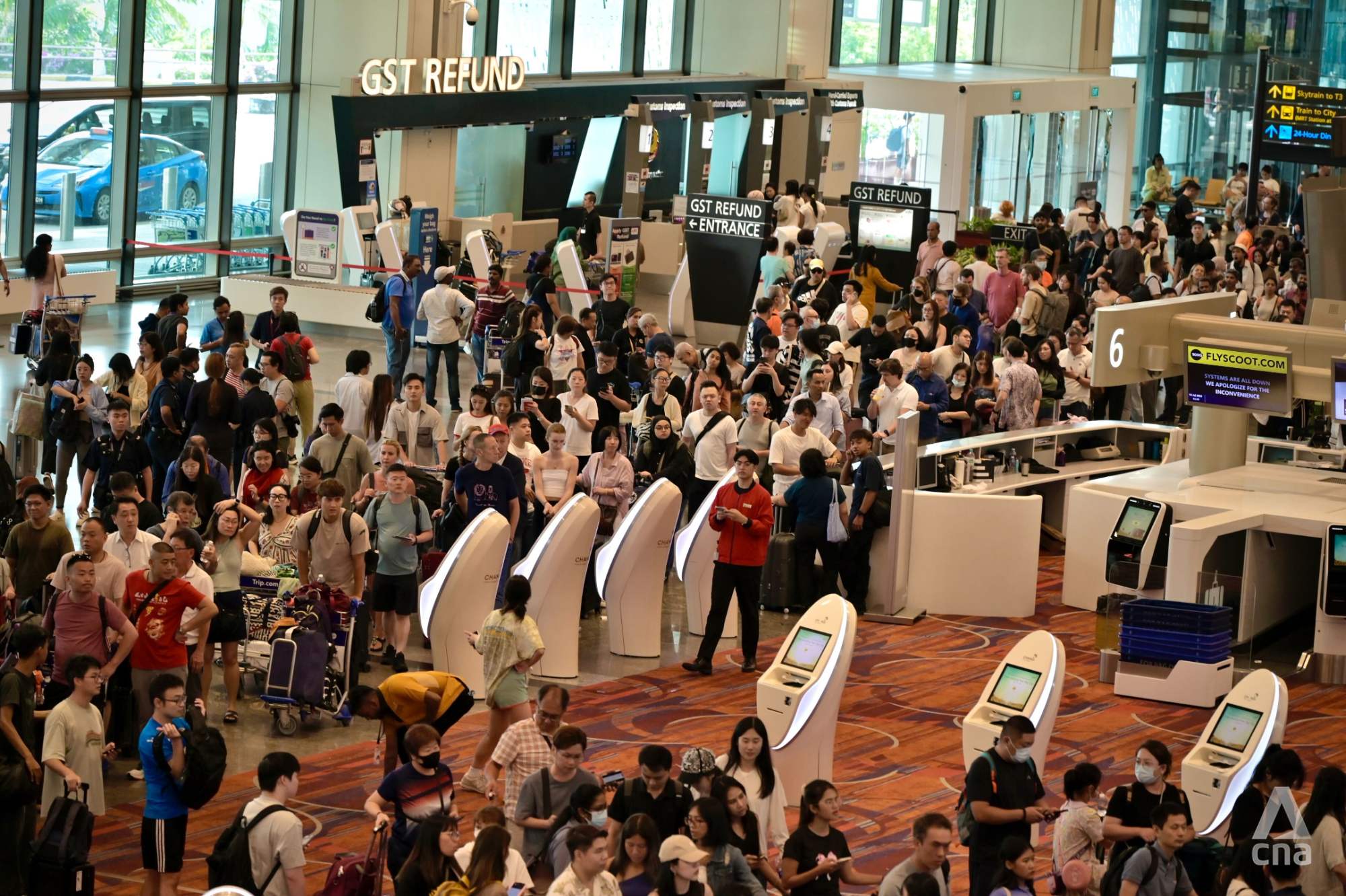
This tax is a significant aspect of Singapore's customs policy and can lead to penalties if not properly managed. Knowing the rules ahead of time can help you avoid complications at the border.
GST Relief Allowances

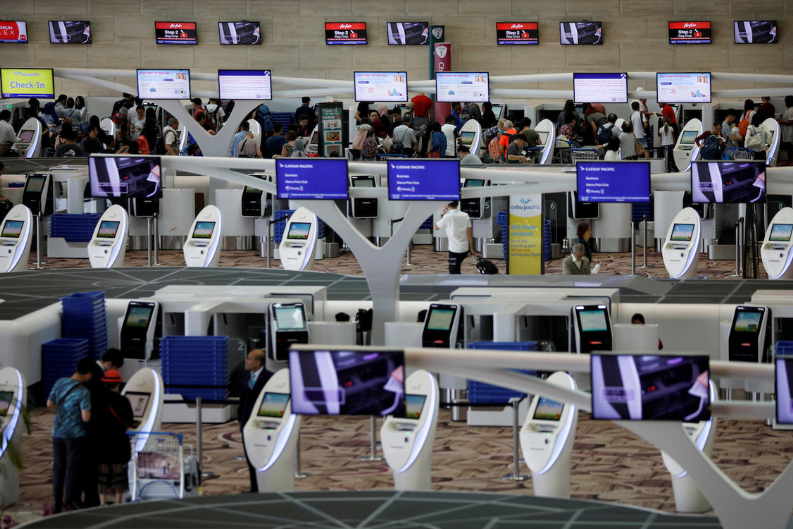
If you have been overseas for 48 hours or more, you can bring in goods valued up to S$500 (approximately US$390) without paying GST. For trips shorter than 48 hours, the relief limit drops to S$100. This relief is specifically designed to ease the burden on travelers and is a key aspect of Singapore’s approach to tourism.

It’s important to note that this relief does not apply to alcohol and tobacco products, which are subject to higher tax rates. According to The Straits Times, exceeding these limits results in taxable amounts that must be declared either before or upon arrival, potentially leading to fines.

Recent Enforcement Actions

In recent months, nearly 200 tourists faced penalties at Singapore’s land, air, and sea checkpoints for attempting to smuggle cash and evade taxes on imported goods. Reports from Asia One indicated that 153 tourists were caught for failing to declare items, including tobacco, alcohol, and luxury goods.
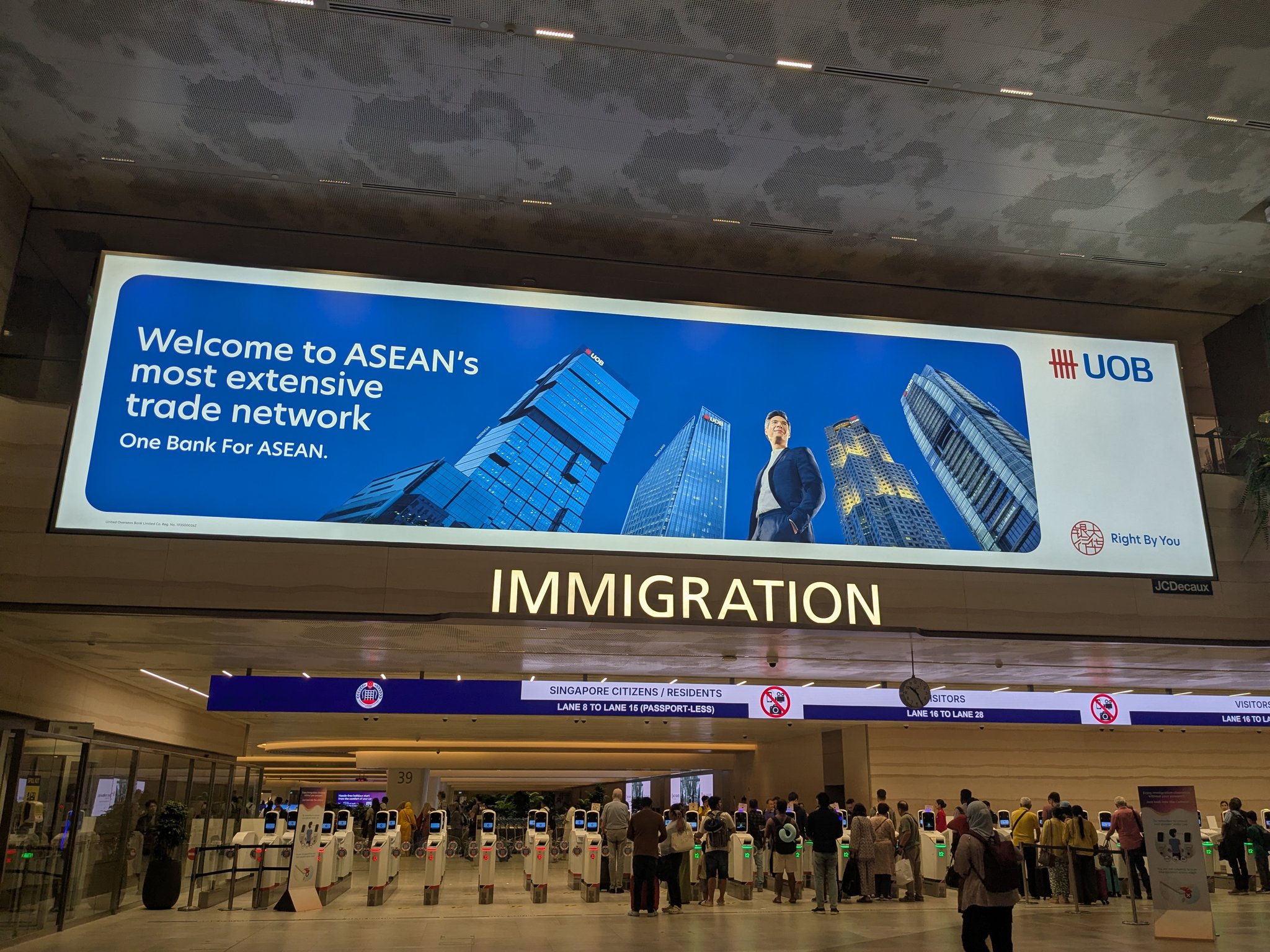
These incidents highlight the importance of being informed about customs regulations and understanding the potential consequences of non-compliance.

Declaration of Goods

Travelers must declare all items acquired overseas, whether they are new purchases or items used during the trip, such as jewelry, designer handbags, and clothing. Singapore Customs mandates that all goods brought into the country are subject to GST, regardless of whether you have already paid foreign sales tax or VAT.

Misconceptions often lead to confusion; for instance, removing price tags or buying second-hand items does not exempt these goods from taxation. Only items already owned before leaving Singapore qualify as personal belongings that are exempt from GST.

Gifts and GST

Another common misunderstanding is that gifts are exempt from GST. In reality, all goods, including gifts, are taxed based on their total value upon entry. If someone gifts you a luxury bag worth S$5,000, you must declare it if it exceeds the GST relief threshold.
If a receipt is unavailable, customs officers will assess the item's value based on the price of similar goods. This can lead to unexpected tax liabilities, making it essential for travelers to be aware of the rules regarding gifts.

Additional Tips for Travelers

  • Know the Prohibited Items: Familiarize yourself with items that are prohibited or restricted in Singapore. This includes certain types of drugs, pornography, and items that may infringe on intellectual property rights. The Singapore Customs website provides a comprehensive list of these items.
  • Use the Customs@SG App: This app not only allows for pre-declaration but also provides up-to-date information on customs regulations and guidelines. It’s a handy tool for travelers to have on their smartphones, allowing for easier navigation of customs processes.
  • Keep Receipts: Always keep receipts for high-value items, especially luxury goods. This can facilitate the declaration process and provide proof of purchase if customs officers need to assess the value of your items.
  • Travel Insurance: Consider getting travel insurance that covers customs-related fines or losses. This can provide peace of mind, especially for high-value items or if you are unsure about what to declare.
  • Plan Your Arrival: Arrive at customs checkpoints during off-peak hours if possible. This can reduce waiting times and make the process smoother, allowing you to start your visit without delays.
  • Pack Smartly: Organize your luggage so that items requiring declaration are easily accessible. This will speed up the inspection process and minimize hassle during customs checks.
  • Consult Customs Officials: If you are ever in doubt about whether an item needs to be declared, consult customs officials at the airport or checkpoint. It’s always better to ask than to risk penalties.
  • Stay Updated: Customs regulations can change, so it’s wise to check the Singapore Customs website for the latest updates before your trip. This ensures you have the most current information regarding what you can bring into the country.

RSG Completes Modernisation of AlWajh International Airport in Saudi Arabia

Published: Monday, June 08, 2026
RSG Completes Modernisation of AlWajh International Airport in Saudi Arabia

Red Sea Global (RSG), the developer behind Saudi Arabia’s regenerative tourism destinations The Red Sea and AMAALA, has completed the modernisation of AlWajh International Airport in the country’s northwest.

The airport has now resumed operations, with Saudia operating three weekly flights from Riyadh and two from Jeddah. International services are expected to begin in the near future.

The project represents the first infrastructure delivery completed by RSG under its broadened mandate beyond destination development, reflecting its expanding role in enhancing connectivity, public services, and wider economic growth.

RSG Group CEO John Pagano said the redevelopment goes beyond aviation infrastructure, describing it as a strategic gateway designed to improve mobility, stimulate economic activity, and create new opportunities for communities in the region. He added that residents of Tabuk now have access to an upgraded international-standard airport with improved links across Saudi Arabia and beyond.

The upgraded facility is now capable of accommodating a wide range of commercial aircraft, including Airbus A320 and Boeing 737 families, as well as seaplanes. Its annual passenger capacity has increased to 500,000, up from 100,000 previously, with the ability to handle up to 330 passengers per hour across four gates during peak periods.

According to the company, the expansion is expected to support rising demand, strengthen tourism development, and contribute to job creation and broader economic activity across the Tabuk region.

Abdulaziz Al-Abdan, Executive Director of Aviation and Airport Operations at Red Sea Global, said the improvements significantly expand capacity for larger aircraft and higher passenger volumes. He added that discussions are already underway with airline partners and regulators to further develop future route networks in line with expected demand growth.

The airport is also set to function as a key entry point for AMAALA, the luxury wellness destination located about 45 minutes away by electric vehicle and roughly 20 minutes by seaplane.

Architectural design elements of the renovated terminal draw on the heritage of AlWajh’s historic town and the broader Tabuk coastline, aiming to reflect the region’s cultural identity.

Additional upgrades include enhanced passenger facilities such as premium lounges, cafés, a mini-market, automated banking services, car rental desks, and expanded parking. The terminal has also been equipped to support seaplane and helicopter operations as part of future transport links to AMAALA.

Source: ZAWYA

China Launches 80 New International Air Cargo Routes in First Five Months of 2026

Published: Sunday, June 07, 2026
China Launches 80 New International Air Cargo Routes in First Five Months of 2026

China added 80 new international air cargo routes during the first five months of 2026, according to data released by the Air Logistics Committee of the China Federation of Logistics & Purchasing (CFLP) as of May 31.

The expansion was largely focused on Europe and Asia. Of the newly established routes, 35 connect China with destinations across Europe, while 33 serve Asian markets. Ten routes were launched to North America, with one route each linking China to South America and Africa.

In May alone, 11 new international air cargo routes entered service, including seven connecting China with other Asian countries, three serving European destinations, and one linking to North America.

The new routes are primarily used to transport cross-border e-commerce shipments, advanced manufactured products, high-value goods, and fresh agricultural produce.

Industry experts say the continued growth of China's international air freight network is helping diversify transportation options and support export-driven industries. Peng Chun, Deputy Director of the Department of Logistics Management at Beijing Jiaotong University, noted that the expanded network helps reduce pressure on maritime and rail freight services while providing faster logistics solutions for high-value exports.

Peng added that the increase in international cargo routes also strengthens China's transportation resilience and contributes to greater supply chain security by enhancing independent logistics capabilities.

Source: CGTN

Bahrain Airport Operations Continue as Airspace Stays Open

Published: Saturday, June 06, 2026
Bahrain Airport Operations Continue as Airspace Stays Open

Bahrain International Airport has confirmed that the kingdom’s airspace remains open and that flight operations continue as normal, reaffirming Bahrain’s connectivity with destinations worldwide.

In a statement shared on X, the airport said its team remains focused on providing a smooth travel experience for passengers while maintaining regular flight services.

The update came after an Air India Express flight scheduled to operate from Kochi to Bahrain was cancelled on Thursday morning. The cancellation left 122 passengers stranded in Kochi.

Because the aircraft did not arrive in Bahrain, the return service from Bahrain to Kochi, scheduled to depart at 3pm, was also cancelled. The disruption affected an additional 178 passengers.

According to an airline official quoted by the Gulf Daily News (GDN), affected travelers were offered the choice of receiving a full refund or being rebooked on the next available flight.

Airport authorities have not reported any restrictions to Bahrain’s airspace, and flight operations continue across the kingdom’s aviation network.

Source: ZAWYA

Brussels Airport to Keep Electronics and Liquids in Hand Luggage With New Scanners

Published: Wednesday, June 03, 2026
Brussels Airport to Keep Electronics and Liquids in Hand Luggage With New Scanners

Passengers at Brussels Airport will no longer need to remove liquids or electronic devices from their hand luggage during security checks, the airport announced on Friday as part of a major modernization of its security screening system.

The revamp at the Zaventem airport will take place over the next several years, with the first new scanners expected to be operational in 2028. By 2029, the entire departure security system will be replaced with cutting-edge technology, including CT scanners for hand luggage and advanced body scanners for passengers.

“The safety of our passengers and staff is always our top priority,” said Brussels Airport CEO Arnaud Feist. “With this new technology, we will not only maintain the highest safety standards but also make security screening faster and more convenient for travelers.”

Currently, passengers must remove laptops, tablets, and other electronic devices from their bags, and liquids are limited to one litre in containers no larger than 100 millilitres. The new CT scanners will allow these items to remain in hand luggage, and under European regulations, passengers will be allowed to carry up to two litres of liquids per bag.

A test of a new body scanner is scheduled for June, with the construction of an additional temporary screening platform planned in 2027 to accommodate the new technology. Once the first scanners are operational in 2028, phased upgrades of all 19 departure lanes will be completed by summer 2029. Transfer passenger lanes will be upgraded at a later stage.

Feist emphasized that the new scanners will also increase security screening capacity, preparing the airport for future growth in passenger numbers.

The initiative is part of Brussels Airport’s Hub 3.0 program, designed to enhance passenger experience and maintain the airport as a “convenient, comfortable, and future-proof European hub.” Similar CT scanner systems are already in operation at major European airports such as London Heathrow, Amsterdam Schiphol, Dublin, Rome Fiumicino, and Frankfurt.

Kuwait Activates Airport Emergency Plan, Suspends Flights Following Iranian Attack

Published: Wednesday, June 03, 2026
Kuwait Activates Airport Emergency Plan, Suspends Flights Following Iranian Attack

Kuwait International Airport has activated its emergency response plan after Terminal One was struck by missiles and drones reportedly launched from Iran, causing injuries and damage to airport facilities, officials confirmed.

Abdullah Al-Rajhi, spokesperson for the Public Authority for Civil Aviation (PACA), said authorities immediately implemented established emergency protocols to protect passengers, staff, and airport infrastructure.

Air traffic has been suspended, and inbound and outbound flights have been diverted to nearby airports until further notice, Al-Rajhi added.

Technical teams are currently assessing the extent of the damage to facilities before repair operations begin. Security and contingency measures remain in place to ensure the safe resumption of airport operations.

The incident underscores ongoing regional tensions and highlights the importance of airport emergency preparedness in safeguarding travelers and aviation infrastructure.